For the millions navigating life with allergic rhinitis, the simple joy of movement often comes with complex considerations. The very act of breathing deeply during exercise can feel like a gamble when pollen counts are high or dust mites are lurking. However, the notion that allergic rhinitis should be a barrier to an active lifestyle is a misconception that needs to be dismantled. With thoughtful planning, strategic choices, and a deeper understanding of one's triggers, physical activity can transform from a potential trigger into a powerful tool for managing symptoms and enhancing overall well-being. This guide delves into the nuanced world of exercise for allergic individuals, offering a comprehensive roadmap for moving with confidence, both indoors and out.
The relationship between allergic rhinitis and exercise is not a simple cause-and-effect but rather a dynamic interplay. On one hand, physical exertion can sometimes exacerbate symptoms. The increased respiratory rate during cardio activities draws more air—and consequently, more allergens—into the nasal passages. This can lead to immediate congestion, sneezing, and itchy eyes. Furthermore, for some, exercise itself can be a trigger in the form of exercise-induced rhinitis, a condition characterized by a runny nose solely due to physical activity, though this is distinct from allergen-triggered responses. On the other hand, regular, moderate exercise boasts significant anti-inflammatory benefits and can strengthen the immune system over time. It improves cardiovascular health, reduces stress (a known aggravator of allergic reactions), and promotes better sleep, all of which contribute to a more resilient system better equipped to handle allergic insults. The key, therefore, lies not in avoidance, but in intelligent adaptation.
When the great outdoors calls, the allergic individual must become a keen observer of their environment. The first and most crucial step is to become intimately familiar with local pollen forecasts. Various reliable weather apps and websites provide detailed daily and hourly breakdowns of pollen types (tree, grass, weed) and their levels. Generally, pollen counts are at their peak during the early morning and on days that are warm, dry, and windy. Scheduling runs, cycles, or hikes for later in the afternoon or evening, after counts have subsided, can make a world of difference. Similarly, the period following a rain shower is often an excellent window for outdoor activity, as the precipitation helps to cleanse the air of pollen temporarily.
Location selection is another powerful tool. While it might be tempting to jog through a flowering meadow or a dense forest, these are high-risk zones for someone with pollen allergies. Opting for urban routes, coastal paths where sea breezes blow pollen away, or simply staying in more open, paved areas can drastically reduce exposure. Wearing the right gear is also a simple yet effective strategy. Wraparound sunglasses can shield eyes from both pollen and irritants, while a hat can prevent pollen from settling in your hair. For those with severe symptoms, consider a specific face mask designed to filter allergens; these have become more common and comfortable. Most importantly, the moment you return indoors, the decontamination process should begin. Showering immediately is paramount, washing pollen from your skin and hair. Change into fresh clothes to avoid spreading allergens around your home, and consider using a saline nasal rinse to flush out any irritants from your nasal passages.
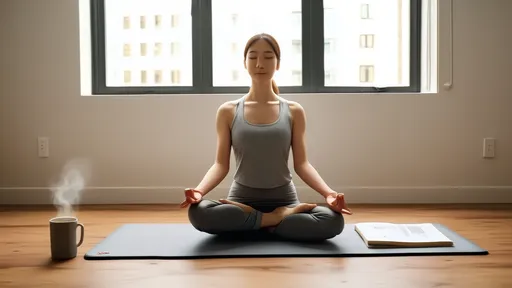
The great indoors offers a controlled sanctuary for exercise, free from the whims of pollen counts and weather. For many with severe allergic rhinitis, or during peak allergy seasons, moving workouts inside is the most reliable strategy for consistent, symptom-free activity. However, the indoor environment comes with its own set of potential triggers, primarily dust mites, mold, and pet dander. The foundation of a safe indoor workout space is cleanliness. If you are using a home gym, ensure the room is well-ventilated and dusted regularly. Hard flooring is preferable to carpet, which can harbor dust mites. If using an exercise mat, clean it frequently with appropriate solutions.
For those who prefer the community and equipment of a public gym, diligence is required. While modern gyms are often climate-controlled, they can be hotspots for dust and dander circulating through HVAC systems. If your gym offers classes in a dedicated studio, that might be a cleaner environment than the main floor. Always wipe down equipment thoroughly before and after use, not only for hygiene but to remove potential allergens left by previous users. Perhaps the most significant advantage of the indoor environment is the ability to control air quality. Investing in a high-quality air purifier with a HEPA filter for your home workout space can capture over 99% of airborne particles, including pollen, dust, and pet dander, creating a clean-air bubble for you to exercise in. Maintaining an indoor humidity level between 30% and 50% is also crucial, as this range helps to suppress dust mite populations and prevent mold growth.
Regardless of the setting, certain universal practices can optimize any workout for the allergic athlete. The principle of gradual warm-ups and cool-downs is especially important. Suddenly launching into high-intensity exercise can shock the system and trigger symptoms, while a gentle warm-up prepares the respiratory system for increased demand. Hydration is another non-negotiable element. Drinking plenty of water before, during, and after exercise keeps mucosal membranes in the nasal passages moist, making them more effective at trapping and clearing allergens before they can cause a reaction.
It is also vital to listen to your body with heightened awareness. Distinguish between the normal discomfort of physical exertion and the specific signs of an allergic reaction. If you experience sudden, significant nasal congestion, wheezing, or intense itching, it is your body signaling you to slow down or stop. Do not push through a full-blown allergic reaction. Carrying quick-relief medication, such as an antihistamine or a prescribed nasal spray, in your gym bag is a prudent safety measure for managing unexpected symptoms. For those whose allergies are closely linked to asthma (a condition known as allergic asthma), having a rescue inhaler readily available during exercise is essential. A proactive approach to medication is often the best strategy. If you know you will be exercising outdoors on a day with moderate pollen counts, taking your non-drowsy antihistamine an hour beforehand can provide a protective effect, mitigating the body's response to the allergens you will encounter.
Living with allergic rhinitis requires a proactive and informed approach to life's activities, and exercise is no exception. It is not about building a life of limitations but about constructing one of intelligent choices. By marrying an understanding of your personal triggers with strategic planning—checking forecasts, choosing the right time and place, and utilizing indoor sanctuaries—you can reclaim the freedom of movement. Embracing supportive practices like proper hydration, immediate post-workout hygiene, and prudent medication use empowers you to take control. Ultimately, the goal is to harness the profound benefits of exercise, from reduced inflammation to improved mental health, to build a stronger, more resilient you, capable of thriving in any season.

By /Aug 25, 2025

By /Aug 25, 2025

By /Aug 25, 2025

By /Aug 25, 2025

By /Aug 25, 2025

By /Aug 25, 2025

By /Aug 25, 2025

By /Aug 25, 2025

By /Aug 25, 2025

By /Aug 25, 2025

By /Aug 25, 2025

By /Aug 25, 2025

By /Aug 25, 2025

By /Aug 25, 2025

By /Aug 25, 2025

By /Aug 25, 2025

By /Aug 25, 2025

By /Aug 25, 2025
By /Aug 25, 2025

By /Aug 25, 2025
