The Five-Minute Start" Rule for Exercise Procrastination

Aug 25, 2025 By

It happens to the best of us. The alarm goes off an hour early, perfectly timed for that morning run you promised yourself. Or perhaps the evening rolls around, and the yoga mat lies unrolled in the corner, a silent accusation. The intention was pure, the plan was solid, but the execution is halted by an invisible, powerful force. This is the familiar grip of exercise procrastination, a mental barrier that feels as immovable as a mountain. We negotiate with ourselves, we rationalize, we delay. "I'll do it later," we whisper, a mantra for inertia. But what if the key to scaling this mountain wasn't a giant leap, but a single, small, almost insignificant step?

The "Five-Minute Start" rule emerges from this very understanding of human psychology. It is a deceptively simple strategy designed to outsmart the part of our brain that resists change and effort. The core premise is disarmingly straightforward: instead of committing to a full, daunting workout, you only commit to five minutes of it. You give yourself explicit permission to stop after those five minutes if you genuinely still want to. The brilliance of this technique lies not in the promise of a grueling session, but in the removal of pressure. The goal is no longer to burn 500 calories or run five miles; the goal is simply to start. To put on your shoes and move for 300 seconds. That's it.

This approach works because it directly counteracts the amygdala's threat response to perceived effort. When we contemplate a 45-minute HIIT class or a 5-mile run, our brain, ever the efficient energy conserver, magnifies the difficulty and sends out signals of fatigue and resistance before we've even moved a muscle. It's a preemptive strike against expenditure. The Five-Minute rule shrinks this threat down to a manageable size. Five minutes doesn't trigger a panic response. Five minutes is a negligible investment, a trivial amount of discomfort that our logical mind can easily agree to. It’s not a workout; it’s a trial. It’s not a commitment; it’s an experiment.

The magic, however, happens after the timer starts. A fascinating psychological shift often occurs once you begin the activity. The initial resistance, the biggest hurdle, has already been cleared. You've overcome static friction. As you move, your body begins to warm up, endorphins start to trickle into your bloodstream, and your mind adjusts to the new state of activity. The thought of stopping at the five-minute mark can often feel more absurd than continuing. What started as a reluctant agreement often transforms into a willing engagement. You've built momentum, and the law of inertia now works in your favor—a body in motion tends to stay in motion.

This isn't just a pop psychology trick; it's a concept backed by behavioral science. It leverages what is known as "task initiation," which is consistently the most difficult phase of any endeavor. It also ties into the Zeigarnik Effect, which suggests that people remember uncompleted or interrupted tasks better than completed ones. By starting the task, even for five minutes, you create a cognitive itch to see it through to a more natural stopping point. You’ve opened a loop that your brain desires to close, making it more likely you'll continue beyond your initial, minimal commitment.

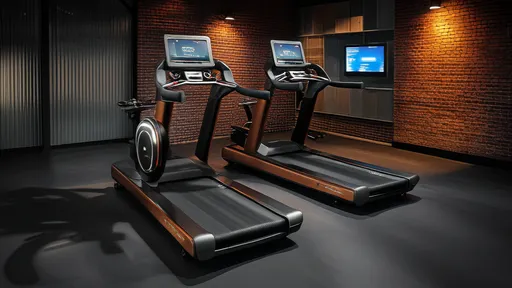
Implementing the rule is beautifully simple. The next time you feel that familiar resistance to working out, pause. Don't argue with yourself about the merits of a full session. Instead, tell yourself: "I am just going to put on my workout clothes." Then, "I am just going to step onto the treadmill and set a timer for five minutes." The action is broken down into the smallest possible components. The focus is entirely on the immediate, easy step, not the distant, difficult goal. It’s about behavior sequencing—chaining one tiny action to the next until the activity is underway.

It is crucial, however, to honor the rule's second clause. You must genuinely give yourself permission to quit after five minutes. This is not a trick in the negative sense. The integrity of the method depends on it. If you secretly know you're going to force yourself to complete a full workout every time, the rule loses its power. The brain will catch on, and the resistance will return. The permission to stop is what makes the commitment to start feel safe and non-threatening. Some days, you will stop after five minutes. And that is not a failure; it is a success. You moved your body for five minutes more than you would have otherwise. You maintained the habit. You proved to yourself that you can start. Consistency over intensity is the long-term game.

Over time, this practice does more than just get you through individual workouts; it rewires your relationship with exercise. It dismantles the association between "workout" and "ordeal." It builds self-trust, showing you that you can show up for yourself even when motivation is absent. Action precedes motivation, not the other way around. The Five-Minute Start rule is the tool that allows you to take that initial action, to prime the pump for motivation to eventually flow. It transforms exercise from a monumental task on your to-do list into a simple, almost automatic daily ritual.

In a world obsessed with optimization and maximum effort, the most radical and effective tool might be the one that asks for the least. The Five-Minute Start rule is a testament to the power of small beginnings. It acknowledges the complexity of human motivation and offers a compassionate, intelligent workaround. It’s not about being the fastest or the strongest; it’s about being consistent. It’s about showing up, even if just for five minutes, and trusting that often, that will be enough to carry you through. So the next time that mental resistance appears, don't fight it. Negotiate. Offer it five minutes. You might be surprised at how willing it is to agree, and how often that agreement leads you far beyond where you ever intended to go.
Recommend Posts
Fitness

The Fusion of Vintage Fitness Equipment with Modern Technology

By /Aug 25, 2025

In an age where sleek touchscreens and algorithm-driven workouts dominate fitness culture, an unexpected revolution is quietly gathering momentum. The clank of iron and the satisfying resistance of manual mechanisms are making a remarkable comeback, not as relics of a bygone era, but as sophisticated hybrids marrying timeless design with cutting-edge technology. This movement transcends mere nostalgia; it represents a fundamental rethinking of what it means to be strong, connected, and healthy in the modern world.
Fitness

The Story and Significance Behind the Logos of Sports Brands

By /Aug 25, 2025

In the world of sports, logos are far more than mere decorative elements slapped onto jerseys and merchandise. They are visual embodiments of legacy, ambition, and identity. The stories behind these iconic symbols often reveal the very soul of the brands they represent, weaving together tales of humble beginnings, revolutionary ideas, and the relentless pursuit of greatness. To understand a brand's logo is to understand its journey, its ethos, and the silent promise it makes to every athlete and consumer who bears its mark.
Fitness

Fitness Scenes in Movies: Authenticity and Artistic Embellishment

By /Aug 25, 2025

In the dim glow of a theater or the comfort of our living rooms, we’ve all witnessed those iconic movie moments where a character undergoes a physical transformation or performs a breathtaking feat of strength. From the sweat-drenched, gritty training montages of Rocky Balboa sprinting up the Philadelphia Museum of Art steps to the hyper-stylized, almost balletic combat preparations in The Matrix, fitness on screen occupies a unique space between inspiration and pure spectacle. These scenes are not merely filler; they are narrative devices, character builders, and often, the emotional core of a story. But how much of what we see is grounded in physiological reality, and how much is clever artistic fabrication designed to serve the story?
Fitness

Biomimicry in Animal Locomotion: From Cheetah Runs to Crab Walks

By /Aug 25, 2025

In the intricate dance of evolution, nature has perfected movements that are both efficient and awe-inspiring. The study of animal locomotion has long fascinated scientists and engineers, leading to a field known as biomimicry—where human innovation draws inspiration from biological systems. From the blistering sprint of the cheetah to the peculiar sideways scuttle of the crab, each movement tells a story of adaptation and survival. These natural marvels are not just curiosities; they are blueprints for advancements in robotics, transportation, and even medical devices.
Fitness

The Evolution of Classic Exercises: From Ancient Greece to Modern Gyms

By /Aug 25, 2025

The story of physical movement as a form of structured exercise is as old as civilization itself, yet its evolution reveals a fascinating tapestry of cultural values, scientific understanding, and shifting human aspirations. It is a journey that begins not in a mirrored room filled with chrome equipment, but in the dusty arenas of ancient Greece, where the cult of the body was inextricably linked to ideals of virtue, beauty, and military prowess.
Fitness

A Compilation of Unique Traditional Fitness Practices from Around the World

By /Aug 25, 2025

From the icy fjords of Scandinavia to the bustling streets of Mumbai, humanity has devised countless ways to stay fit that transcend the familiar treadmill or weight rack. These traditions, often woven into the cultural fabric of societies, offer a fascinating glimpse into how physical wellness is perceived and practiced around the globe. They are not merely exercises; they are rituals, community gatherings, and sometimes, a form of moving meditation that has been passed down through generations.
Fitness

Sports Trivia: Why Do Some People's Faces Turn Red After Exercise?

By /Aug 25, 2025

Have you ever noticed how some people's faces turn a vivid shade of crimson after a workout, while others seem to maintain their usual complexion? This common yet curious phenomenon isn't just about fitness levels or exertion—it's a fascinating interplay of physiology, genetics, and individual bodily responses. The sight of a flushed face post-exercise often sparks curiosity, and understanding the science behind it reveals much about how our bodies regulate internal processes under stress.
Fitness

Energy System Supply Characteristics of Different Sports

By /Aug 25, 2025

As athletes push their bodies to the limit, the intricate dance of energy production within their muscles determines performance outcomes across different sports. The human body operates like a hybrid engine, seamlessly switching between three distinct energy systems to meet the varied demands of athletic exertion. Understanding these systems provides fascinating insight into why a marathon runner trains differently from a weightlifter, and why a soccer player's fatigue manifests differently than a gymnast's.
Fitness

How to Elegantly Decline Unhealthy Dining Invitations

By /Aug 25, 2025

In the modern social landscape, the invitation to dine out has become a common thread weaving through both personal and professional relationships. While breaking bread together can foster connection and camaraderie, it often presents a dilemma for those committed to maintaining a healthy lifestyle. The aroma of sizzling fried foods, the allure of decadent desserts, and the social pressure to indulge can derail even the most disciplined individuals. However, navigating these situations with grace and tact is not only possible but essential for preserving both your health goals and your social connections.
Fitness

The Positive Impact and Misconceptions of Sports Community Culture

By /Aug 25, 2025

In the bustling digital age, the emergence of fitness communities has reshaped how individuals approach health and wellness. These groups, often formed around shared goals or interests, foster a sense of camaraderie and accountability that can be transformative. Members find motivation in collective achievements, celebrating milestones together and offering support during setbacks. This communal energy often turns solitary pursuits into social experiences, making fitness more accessible and enjoyable for many.
Fitness

Anchoring Exercise Habits in Daily Routines

By /Aug 25, 2025

In the relentless pursuit of health and wellness, the greatest challenge often isn't starting an exercise regimen but making it an unshakable part of our daily existence. We've all been there—the initial burst of motivation, the new workout gear, the meticulously planned schedule—only to watch it all fade as life's inevitable demands creep in. The secret to transcending this cycle lies not in finding more time or summoning superhuman willpower, but in a powerful psychological strategy known as habit anchoring. This approach moves exercise from being a standalone task we must remember to do, to becoming an automatic, non-negotiable extension of our existing daily routines.
Fitness

Coping with the Deload" Week in Training Platform Period

By /Aug 25, 2025

In the relentless pursuit of progress, athletes and dedicated gym-goers often subscribe to a philosophy of more—more weight, more reps, more intensity. This drive is the engine of improvement, forging strength and resilience with every grueling session. Yet, woven into the very fabric of this process is an inevitable and often frustrating reality: the plateau. Progress stalls. The weights that once felt challenging now feel impossibly heavy, and motivation can wane in the face of stagnant results. It is within this context that the concept of the deload week emerges not as a sign of surrender, but as a sophisticated and strategic tool for long-term advancement.
Fitness

Visualizing Perfect Movements: Mental Rehearsal for Peak Performance

By /Aug 25, 2025

In the world of high-performance sports, arts, and even everyday skill acquisition, a powerful mental technique has been quietly revolutionizing how individuals prepare for success. This method, known by various names such as mental rehearsal, visualization, or cognitive pre-performance, involves the intricate process of running through a perfect sequence of actions within the safe confines of one's mind. It is a form of training that requires no physical equipment, no specific location, and yet, its impact on real-world performance can be profound and, at times, astonishing.
Fitness

Psychological Application of Fitness App Achievement Systems

By /Aug 25, 2025

In the digital age, fitness applications have become ubiquitous companions for health enthusiasts and casual exercisers alike. Beyond their basic function of tracking physical activity, these apps employ sophisticated achievement systems rooted in psychological principles to motivate, engage, and retain users. The integration of gamification and behavioral psychology transforms mundane workouts into compelling experiences, tapping into fundamental human drives for accomplishment and recognition.
Fitness

Music BPM Matching App for Running Cadence

By /Aug 25, 2025

In the ever-evolving landscape of fitness technology, a new breed of applications has emerged, seamlessly blending the rhythm of music with the cadence of running. These innovative apps are designed to synchronize the beats per minute (BPM) of a user's music library with their optimal running stride, creating a harmonious and potentially performance-enhancing experience. The concept is simple yet profound: by aligning musical tempo with physical movement, runners can achieve a more natural, efficient, and enjoyable workout.
Fitness

Alternative Metrics for Assessing Progress on Non-Weighing Days

By /Aug 25, 2025

In the pursuit of health and fitness goals, many individuals become fixated on the number staring back at them from the scale. While weight can be a useful data point, it is a notoriously fickle and often misleading metric. It fails to capture the nuanced, multifaceted nature of true progress, which encompasses changes in body composition, strength, endurance, and overall well-being. Relying solely on this single measure can lead to frustration, demotivation, and a distorted view of one's journey. The scale does not differentiate between a pound of fat and a pound of muscle, nor does it reflect improvements in metabolic health, mental clarity, or energy levels. To cultivate a healthier, more sustainable relationship with our goals, it is imperative to look beyond weight and embrace a broader spectrum of indicators that truly measure advancement.
Fitness

Effective Mechanisms for Mutual Supervision Among Training Partners

By /Aug 25, 2025

In the realm of personal and professional development, the concept of training partnerships has emerged as a powerful tool for fostering growth, accountability, and sustained progress. At its core, this approach leverages the innate human desire for connection and mutual support, creating a structured environment where individuals can thrive together. The effectiveness of such partnerships lies not merely in shared goals but in the intricate web of mutual supervision that underpins them. This dynamic transforms solitary efforts into collaborative journeys, making challenges more manageable and successes more meaningful.
Fitness

The Five-Minute Start" Rule for Exercise Procrastination

By /Aug 25, 2025

It happens to the best of us. The alarm goes off an hour early, perfectly timed for that morning run you promised yourself. Or perhaps the evening rolls around, and the yoga mat lies unrolled in the corner, a silent accusation. The intention was pure, the plan was solid, but the execution is halted by an invisible, powerful force. This is the familiar grip of exercise procrastination, a mental barrier that feels as immovable as a mountain. We negotiate with ourselves, we rationalize, we delay. "I'll do it later," we whisper, a mantra for inertia. But what if the key to scaling this mountain wasn't a giant leap, but a single, small, almost insignificant step?
Fitness

Silent Training Program for Small Apartment Dwellers

By /Aug 25, 2025

In the heart of the urban landscape, where space is a premium and walls seem to whisper the secrets of neighboring lives, the quest for quietude becomes a central challenge for small apartment dwellers. The constant hum of city life, the muffled television through a shared wall, the footsteps from the apartment above—these are the familiar symphonies of communal living that can disrupt focus, hinder relaxation, and fracture peace. For those committed to a fitness journey, this acoustic environment presents a unique hurdle: how does one engage in effective physical training without contributing to the noise pollution or, worse, incurring the ire of neighbors? The answer lies not in abandoning your fitness goals but in embracing a philosophy of silent training—a mindful approach to movement that prioritizes control, precision, and harmony with your living space.
Fitness

Exercise Recommendations for Indoor and Outdoor Activities for Patients with Allergic Rhinitis

By /Aug 25, 2025

For the millions navigating life with allergic rhinitis, the simple joy of movement often comes with complex considerations. The very act of breathing deeply during exercise can feel like a gamble when pollen counts are high or dust mites are lurking. However, the notion that allergic rhinitis should be a barrier to an active lifestyle is a misconception that needs to be dismantled. With thoughtful planning, strategic choices, and a deeper understanding of one's triggers, physical activity can transform from a potential trigger into a powerful tool for managing symptoms and enhancing overall well-being. This guide delves into the nuanced world of exercise for allergic individuals, offering a comprehensive roadmap for moving with confidence, both indoors and out.