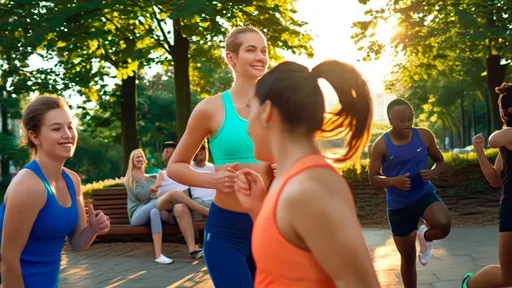
In the bustling digital age, the emergence of fitness communities has reshaped how individuals approach health and wellness. These groups, often formed around shared goals or interests, foster a sense of camaraderie and accountability that can be transformative. Members find motivation in collective achievements, celebrating milestones together and offering support during setbacks. This communal energy often turns solitary pursuits into social experiences, making fitness more accessible and enjoyable for many.
However, beneath the surface of these positive dynamics lie potential pitfalls. The very same community spirit that encourages participation can sometimes morph into pressure, leading individuals to push beyond their limits or adopt unhealthy comparisons. The line between inspiration and obsession can blur, especially when communities emphasize extreme transformations or rapid results. It’s crucial to recognize that while these groups can be powerful catalysts for change, they must be navigated with mindfulness and self-awareness.
One of the most significant benefits of fitness communities is their ability to democratize health knowledge. In these spaces, information flows freely—from workout tips and nutritional advice to mental health resources. Newcomers can learn from seasoned enthusiasts, and even experts often share insights that might otherwise be gatekept in professional settings. This open exchange empowers individuals to take control of their well-being, armed with a diverse toolkit of strategies and perspectives.
Yet, this democratization comes with risks. Not all advice shared within these communities is grounded in science or tailored to individual needs. Well-intentioned but misinformed suggestions can lead to ineffective routines or, worse, injury. The absence of professional oversight means that members must critically evaluate the information they receive, balancing communal wisdom with evidence-based practices. It’s a reminder that while collective knowledge is valuable, it should complement rather than replace personalized guidance.
The social connectivity fostered by fitness communities cannot be overstated. For many, these groups provide a vital sense of belonging, combating the isolation that can accompany personal health journeys. Virtual meetups, local events, and online forums create opportunities for meaningful interactions, turning strangers into friends and support systems. This social fabric often extends beyond fitness, influencing other areas of life and contributing to overall emotional resilience.
Conversely, the intense social bonds within these communities can sometimes create echo chambers. When groups become overly insular, they may develop cultures that prioritize certain aesthetics or performance metrics over holistic health. This can alienate those who don’t fit the mold or lead to the exclusion of diverse perspectives. Healthy communities actively work to foster inclusivity, ensuring that their spaces remain welcoming to people of all backgrounds, abilities, and goals.
Another positive aspect is the role of fitness communities in promoting long-term consistency. The routine of checking in with a group, sharing progress, and participating in challenges helps embed healthy habits into daily life. This sustained engagement often leads to lasting lifestyle changes rather than short-term fixes. The collective commitment acts as a anchor, keeping members aligned with their goals even when motivation wanes.
However, this emphasis on consistency can sometimes backfire. When community participation feels obligatory, it may contribute to burnout or guilt when life interferes. The pressure to maintain streaks or meet group expectations can overshadow the intrinsic joy of movement. It’s important for communities to balance structure with flexibility, reminding members that rest and adaptation are also critical components of a healthy journey.
Fitness communities also play a significant role in destigmatizing struggles and setbacks. By normalizing discussions around plateaus, injuries, and mental health challenges, these groups reduce the shame often associated with not being "perfect" in one’s fitness journey. This vulnerability fosters authenticity and encourages members to approach their health with self-compassion rather than criticism.
On the flip side, the culture of sharing can sometimes veer into overexposure or performative vulnerability. Not everyone is comfortable with public disclosures, and the expectation to share deeply personal experiences may create discomfort. Communities must respect boundaries and provide options for engagement that don’t require emotional labor from every member.
Ultimately, fitness communities are microcosms of broader social dynamics—reflecting both the best and most challenging aspects of collective human behavior. Their positive impacts are profound: they educate, connect, and inspire. Yet, their potential drawbacks remind us that no community is without its complexities. The key lies in conscious participation—engaging with these spaces in ways that uplift without overwhelming, and learning to harness their power while safeguarding personal well-being.
As these communities continue to evolve, their future will likely be shaped by ongoing dialogues about balance, inclusivity, and authenticity. The most resilient groups will be those that prioritize not just physical transformation, but holistic growth—recognizing that true wellness encompasses mind, body, and community in equal measure.
By /Aug 25, 2025

By /Aug 25, 2025

By /Aug 25, 2025

By /Aug 25, 2025

By /Aug 25, 2025
By /Aug 25, 2025

By /Aug 25, 2025

By /Aug 25, 2025

By /Aug 25, 2025
By /Aug 25, 2025

By /Aug 25, 2025

By /Aug 25, 2025

By /Aug 25, 2025

By /Aug 25, 2025

By /Aug 25, 2025

By /Aug 25, 2025

By /Aug 25, 2025
By /Aug 25, 2025
By /Aug 25, 2025
By /Aug 25, 2025
