The rise of influencer designers has reshaped the creative landscape, blending artistry with the relentless demands of social media algorithms. These designers, once celebrated for their originality, now find themselves trapped in a paradox: the need to create meaningful work while catering to the fleeting attention spans of online audiences. The pressure to go viral often overshadows the pursuit of depth, leaving many questioning whether their craft is being compromised by the very platforms that made them famous.
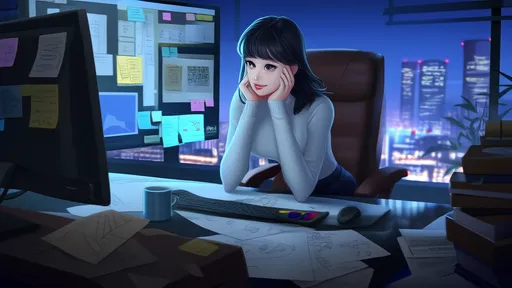
Social media platforms reward consistency, speed, and relatability—qualities that don’t always align with the slow, deliberate process of design. A designer might spend weeks refining a concept, only to see it drowned out by a hastily made meme or a trending challenge. The algorithm’s bias toward quick consumption forces creators to prioritize quantity over quality, leading to burnout and creative stagnation. The irony is palpable: the tools meant to amplify creativity are now stifling it.
The commodification of creativity is another pressing issue. Viral designs are often reduced to templates, copied and regurgitated with minor variations. What starts as an innovative idea quickly becomes a saturated trend, stripping it of its original impact. Designer Emma Liao, known for her minimalist posters, laments how her work has been endlessly replicated. "It’s disheartening to see something you poured your soul into turned into a generic aesthetic," she says. "The more something spreads, the less it feels like yours."
Audience expectations add another layer of complexity. Followers demand constant engagement—daily posts, behind-the-scenes content, and interactive polls—leaving little room for experimentation. The fear of alienating followers can lead to safe, formulaic designs that cater to proven trends rather than pushing boundaries. "You start second-guessing every decision," admits Javier Mendez, a textile designer with a million Instagram followers. "The line between staying true to your vision and pleasing the algorithm gets blurrier every day."
Yet, some designers are pushing back. They’re carving out niches where authenticity takes precedence over virality. By focusing on smaller, dedicated communities, they’re able to explore unconventional ideas without the pressure of mass appeal. Others are turning to alternative platforms—like niche forums or even physical exhibitions—to reconnect with the tactile, immersive aspects of design that social media often flattens.
The tension between creativity and commerce is nothing new, but the digital age has amplified it to unprecedented levels. For influencer designers, the challenge isn’t just about staying relevant—it’s about preserving the integrity of their work in an ecosystem that thrives on disposability. The path forward remains uncertain, but one thing is clear: the conversation about art, value, and visibility in the age of algorithms is far from over.
By /Aug 13, 2025

By /Aug 13, 2025
By /Aug 13, 2025
By /Aug 13, 2025
By /Aug 13, 2025
By /Aug 13, 2025
By /Aug 13, 2025
By /Aug 13, 2025
By /Aug 13, 2025

By /Aug 13, 2025

By /Aug 13, 2025
By /Aug 13, 2025

By /Aug 13, 2025
By /Aug 13, 2025

By /Aug 13, 2025

By /Aug 13, 2025
By /Aug 13, 2025
By /Aug 13, 2025

By /Aug 13, 2025
By /Aug 13, 2025
