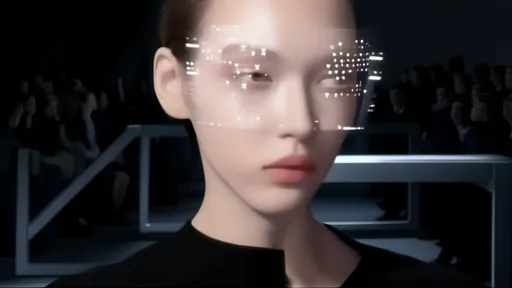
The fashion industry has long thrived on spectacle, and nowhere is this more evident than during the whirlwind of Fashion Weeks held across the globe. While digital presentations and virtual runways have gained traction, particularly in the wake of recent global disruptions, the irreplaceable value of physical fashion shows remains undeniable. These events are not merely about displaying garments; they are immersive experiences that blend artistry, storytelling, and human connection in a way that pixels on a screen simply cannot replicate.
The Sensory Experience
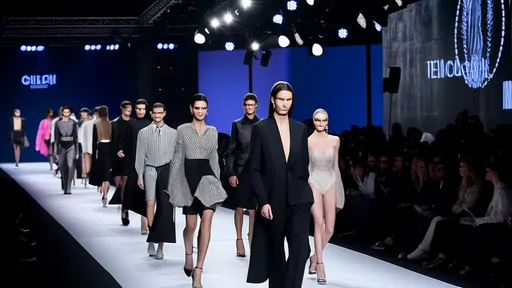
Physical fashion shows engage all five senses, creating a multisensory experience that digital platforms struggle to match. The rustle of fabrics as models stride down the runway, the palpable energy of the audience, the scent of perfumes lingering in the air—these elements combine to form an atmosphere that is as much a part of the show as the clothing itself. Designers often curate every detail, from the lighting to the music, to evoke specific emotions and reinforce their creative vision. This level of sensory immersion is difficult, if not impossible, to translate into a digital format.
The Power of Presence
There is an undeniable magic in being physically present at a fashion show. The collective gasps, the spontaneous applause, the shared glances of approval or surprise—these moments of communal experience are lost in virtual settings. Attendees, whether buyers, journalists, or celebrities, are not just passive observers; they become part of the narrative. The immediacy of a live show fosters a sense of exclusivity and urgency, reinforcing the idea that fashion is not just about what you wear but also about being part of something larger than yourself.
Networking and Human Connection
Beyond the runway, fashion weeks serve as critical networking hubs where industry insiders forge relationships, negotiate deals, and exchange ideas. The serendipitous encounters in crowded lobbies, the post-show discussions over champagne, the backstage chaos where designers, models, and stylists collaborate—these interactions are the lifeblood of the fashion ecosystem. Digital platforms may facilitate communication, but they lack the spontaneity and depth of face-to-face connections that often lead to groundbreaking collaborations.
The Art of Storytelling
Fashion shows are, at their core, a form of storytelling. Designers use the runway to convey narratives that go beyond aesthetics, touching on cultural, political, or personal themes. The physical space of a show—whether it’s a grand ballroom, an abandoned warehouse, or a city street—becomes a stage that enhances the story. The choreography of models, the interplay of light and shadow, and even the choice of venue all contribute to a cohesive narrative that resonates with the audience on a visceral level. While digital shows can attempt to replicate this, they often fall short of capturing the raw, unfiltered emotion of a live performance.
Economic and Cultural Impact
The ripple effects of physical fashion shows extend far beyond the runway. They generate significant economic activity, from tourism to local businesses, and serve as a platform for emerging designers to gain visibility. Moreover, these events reinforce the cultural significance of fashion as an art form. The anticipation and media frenzy surrounding major shows underscore their role as cultural milestones, shaping trends and influencing public discourse. In contrast, digital presentations, while accessible, lack the same gravitational pull and often fade into the noise of the online world.
The Future of Fashion Weeks
As the fashion industry continues to evolve, the question is not whether physical shows will disappear but how they will coexist with digital innovations. Hybrid models that leverage the strengths of both formats may emerge, but the essence of a live fashion show—its ability to captivate, inspire, and connect—will remain unparalleled. In an era where screens dominate our lives, the tangible, ephemeral magic of a runway show is a reminder of why fashion, at its best, is an experience meant to be felt, not just seen.
By /Aug 13, 2025

By /Aug 13, 2025
By /Aug 13, 2025
By /Aug 13, 2025
By /Aug 13, 2025
By /Aug 13, 2025

By /Aug 13, 2025
By /Aug 13, 2025
By /Aug 13, 2025
By /Aug 13, 2025
By /Aug 13, 2025

By /Aug 13, 2025
By /Aug 13, 2025
By /Aug 13, 2025

By /Aug 13, 2025
By /Aug 13, 2025
By /Aug 13, 2025
By /Aug 13, 2025
By /Aug 13, 2025
By /Aug 13, 2025
