The fashion industry has always been cyclical, with trends from the past resurfacing in new iterations. However, in recent years, this nostalgic cycle has accelerated dramatically. What once took thirty years to revisit now reappears within a decade, if not sooner. The phenomenon of rapidly recycling trends speaks volumes about our collective yearning for familiarity in an increasingly chaotic world.
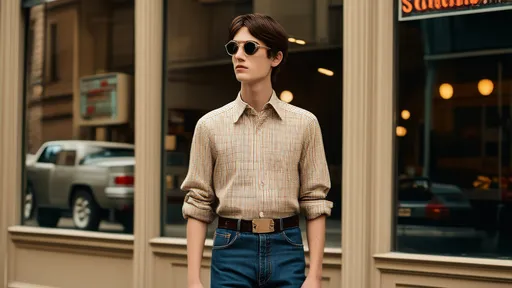
The 90s and Y2K aesthetics have made a roaring comeback, but their resurgence feels different this time. Unlike previous revivals, which were often filtered through a contemporary lens, today's throwback trends are embraced with near-identical replication. Teenagers who never experienced the original era now wear low-rise jeans, tiny sunglasses, and chunky sneakers with the same enthusiasm as those who lived through the trends the first time. Social media platforms, particularly TikTok, have become time machines, compressing decades into digestible aesthetic moments.
This acceleration isn't limited to clothing. Music, interior design, and even technology participate in this sped-up nostalgia cycle. Vinyl records outsold CDs in 2020 for the first time since the 1980s, while flip phones are being marketed as trendy minimalist alternatives to smartphones. The rapid-fire revival of these items suggests we're not just reminiscing about the past but actively trying to reconstruct it.
Cultural theorists point to several factors driving this phenomenon. The digital age has created an unprecedented archive of cultural moments, making past trends instantly accessible rather than fading into obscurity. Additionally, the pandemic years created a collective psychological need for comforting familiarity. When the future feels uncertain, the known quantities of recent history provide emotional safety. Fashion brands have been quick to capitalize on this, with nearly every major house releasing collections that directly reference their own archives from the early 2000s.
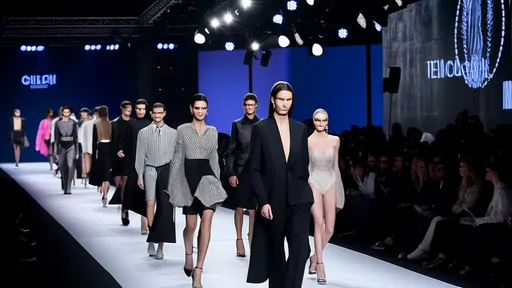
What makes the current cycle particularly fascinating is how it coexists with our obsession with novelty. We demand constant innovation while simultaneously craving the familiar. This paradox has led to a strange cultural moment where hyper-futuristic designs share runway space with near-perfect recreations of looks from twenty years ago. The tension between moving forward and looking backward creates a creative energy that defines contemporary style.
The environmental impact of this trend bears consideration. While vintage revival might seem like a sustainable alternative to fast fashion, the reality is more complex. Many brands aren't actually reproducing quality garments from past eras but rather creating cheap imitations that won't last. The accelerated nostalgia cycle could potentially lead to even more waste as trends come and go faster than ever before. Some sustainability advocates argue we'd be better served by truly reviving the mindset of previous eras - buying fewer, better-made items meant to last.
Looking ahead, we can expect this cycle to continue accelerating. Some industry insiders predict we'll soon see the return of 2010s trends, with skinny jeans and chevron patterns poised for comeback. As the intervals between trend revivals shorten, we may reach a point where fashion exists in a constant state of self-reference, with the past and present blending seamlessly. Whether this represents creative stagnation or a new form of innovation remains to be seen.
The psychological implications are equally compelling. This rapid nostalgia cycle suggests we're living in an era of cultural recursion, where we process the present by constantly reinterpreting the immediate past. It raises questions about how we form generational identities when cultural touchstones are being continuously recycled. The teenagers of today might find themselves wearing the same styles as their older siblings did just a decade prior, blurring the lines between generations.
Ultimately, the speeding up of fashion's nostalgic cycle reflects broader societal shifts. In a world where change occurs at breakneck speed, we grasp for anchors in our recent history. The clothes become more than just garments - they transform into time capsules of collective memory, allowing us to revisit and reinterpret our past at an increasingly rapid pace. As we move forward, this dynamic between past and present will likely become even more pronounced, reshaping not just what we wear but how we relate to time itself.
By /Aug 13, 2025

By /Aug 13, 2025
By /Aug 13, 2025
By /Aug 13, 2025
By /Aug 13, 2025
By /Aug 13, 2025

By /Aug 13, 2025
By /Aug 13, 2025
By /Aug 13, 2025

By /Aug 13, 2025

By /Aug 13, 2025

By /Aug 13, 2025
By /Aug 13, 2025
By /Aug 13, 2025

By /Aug 13, 2025

By /Aug 13, 2025
By /Aug 13, 2025
By /Aug 13, 2025
By /Aug 13, 2025
By /Aug 13, 2025
